

Early Decision Financial Aid & Affordability: A Counselor's Guide
Updated: Aug 20

In The Early Decision Strategy Playbook: Admissions Odds, EDII, and Hidden Realities, we explored the strategic odds and application pathways of Early Decision. But as I tell every family in my practice at World Class College Counseling, navigating early decision financial aid is where the real planning happens.
With total annual costs of attendance at many selective private institutions exceeding $85,000 to $90,000, you cannot afford to guess what college will cost. Here is how to evaluate financial aid formulas, navigate application timelines, and handle deferrals before signing an Early Decision contract.
Demystifying Early Decision Financial Aid: The Student Aid Index (SAI)
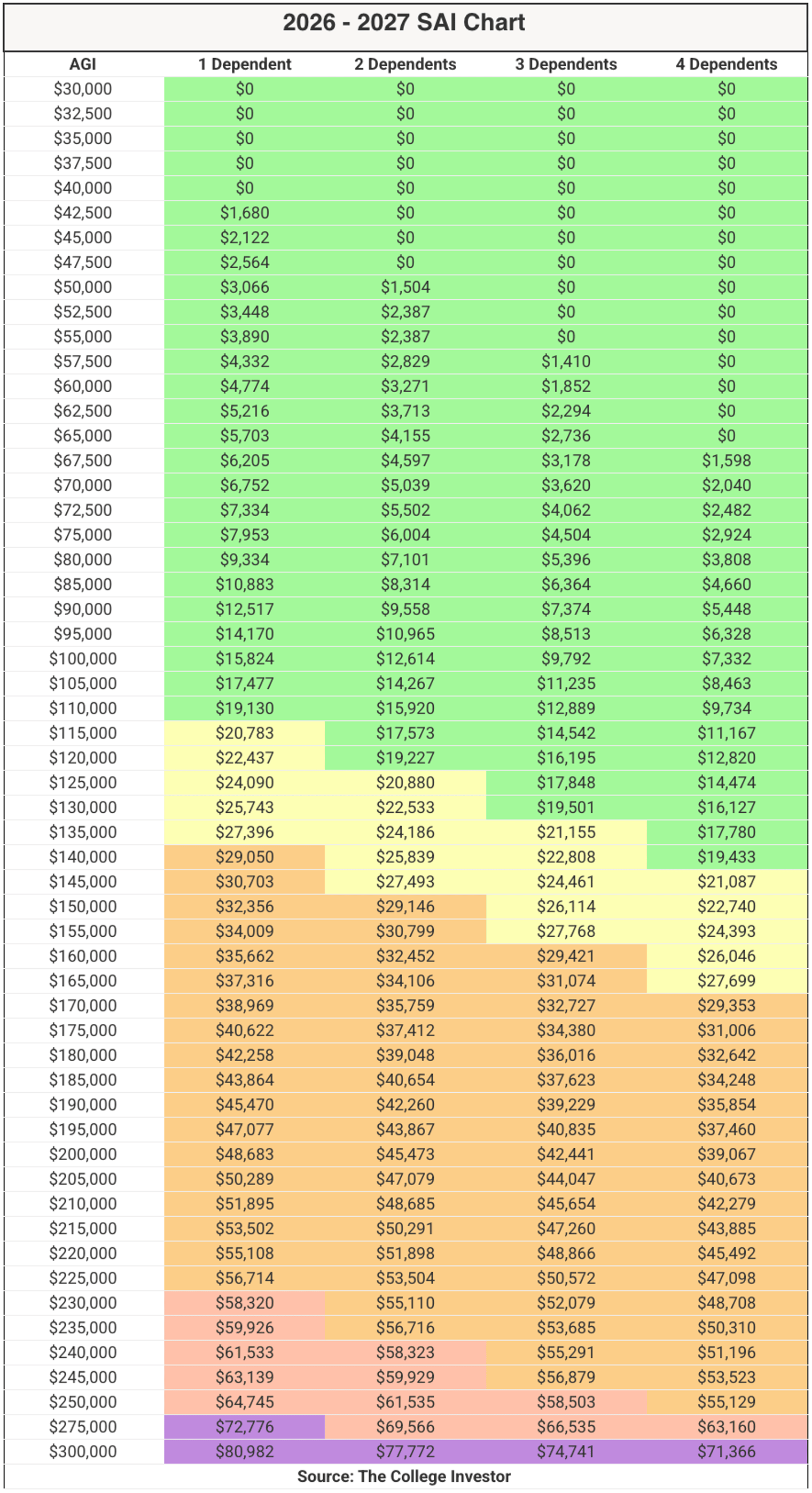
Understanding how colleges calculate early decision financial aid starts with the Free Application for Federal Student Aid (FAFSA) and CSS Profile, which generate your Student Aid Index (SAI)—the official federal metric used to estimate your family's financial strength.
If a university guarantees to meet 100% of demonstrated financial need, your expected out-of-pocket tuition obligation should closely mirror your calculated SAI.
Real-World Financial Walkthrough
Consider a family evaluating a university with a $90,000 total annual cost of attendance:
Calculate Family SAI: The family completes the FAFSA and receives an SAI of $25,000.
Run the Net Price Calculator (NPC): Before applying ED, the family inputs their financial data into the college's official Net Price Calculator.
Review Estimated Aid: The NPC estimates $65,000 in need-based grant aid, leaving an estimated net price of $25,000 per year.
Evaluate Affordability: If $25,000 per year fits the family budget, applying ED is financially safe.
To identify your family's anticipated SAI, fill out FAFSA's SAI Calculator or check out this chart created by The College Investor.
Crucial Pre-ED Financial Rules
Merit Aid Caution: If comparing multiple early decision financial aid offers or merit scholarships across institutions is essential for your family, applying under a binding agreement is not the right pathway.
The Financial Exit Clause: An Early Decision contract is legally binding, but families can be released from the agreement only if the institution's official financial aid offer falls significantly short of the Net Price Calculator estimate, rendering the school demonstrably unaffordable.
The WCCC Ideal Fall Application Schedule

When working with our private counseling clients, we aim to have all early application materials ready long before the official deadlines.
Standard ED Deadline: November 1 (or November 15 for select schools)
Decision Release: Mid-to-late December
WCCC Target Completion Date: October 15
What Happens When December Results Arrive?
When decision letters drop in mid-December, your ED outcome will fall into one of three categories:
1. Accepted
Your college search is over! Accept the offer, pay your non-refundable enrollment deposit, and systematically withdraw every other application you submitted.
2. Deferred
Your application is moved into the Regular Decision pool for re-evaluation in early spring.
The Binding Contract Is Canceled: You are officially released from the ED agreement. If accepted during Regular Decision, you are free to weigh other offers. You may have an Early Decision II (EDII) school already lined up. Just ensure that you are fine withdrawing your application from your ED school should you be admitted elsewhere through EDII.
The WCCC Action Plan: Send a Letter of Continued Interest (LOCI) to your regional admissions representative. Reiterate why the school remains your top choice and highlight notable updates achieved after November 1—such as state academic honors, new leadership positions, or major research milestones. (Standard mid-year grades are transmitted automatically by your school and do not count as a special update.) At WCCC, we strategize with our families what a student can do after November 1 to have something significant to add to their LOCI, should one be needed!
3. Denied
The decision is final for that academic year. Pivot immediately to your Regular Decision applications or evaluate Early Decision II (ED II) options.
The WCCC Early Decision Readiness Checklist
Before signing an Early Decision agreement, ask yourself these four questions:
[ ] Is this undeniably my #1 school? If I received acceptances from every college on my list, would I choose this school without hesitation?
[ ] Am I academically competitive? Do my GPA, course rigor, and test scores align comfortably with the school's admitted student profile?
[ ] Have we verified the financial math? Have my parents run the school's Net Price Calculator and verified that the estimated net cost fits our family budget?
[ ] Are my application essays ready? Is my Common App essay polished and backed by institution-specific supplemental essays that demonstrate deep research?
If you answered "Yes" to all four, applying Early Decision could be the single best strategy for your college search.
Need expert guidance evaluating your early decision financial aid options or running Net Price Calculators? Contact World Class College Counseling at worldclasscollegecounseling@gmail.com to schedule your consultation.


Comments